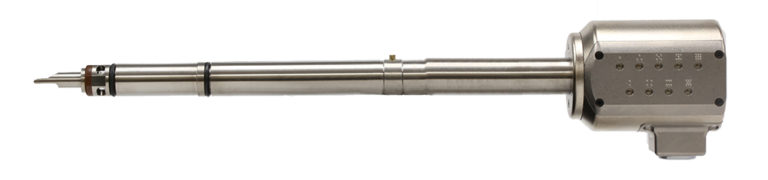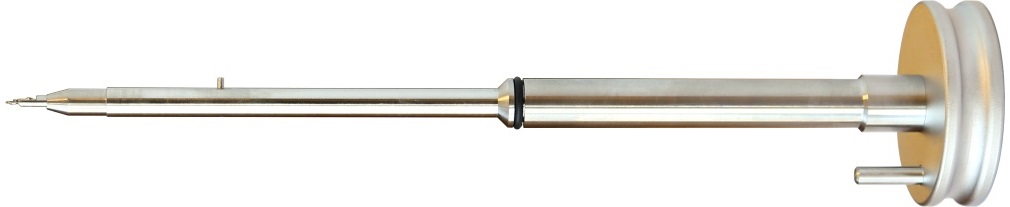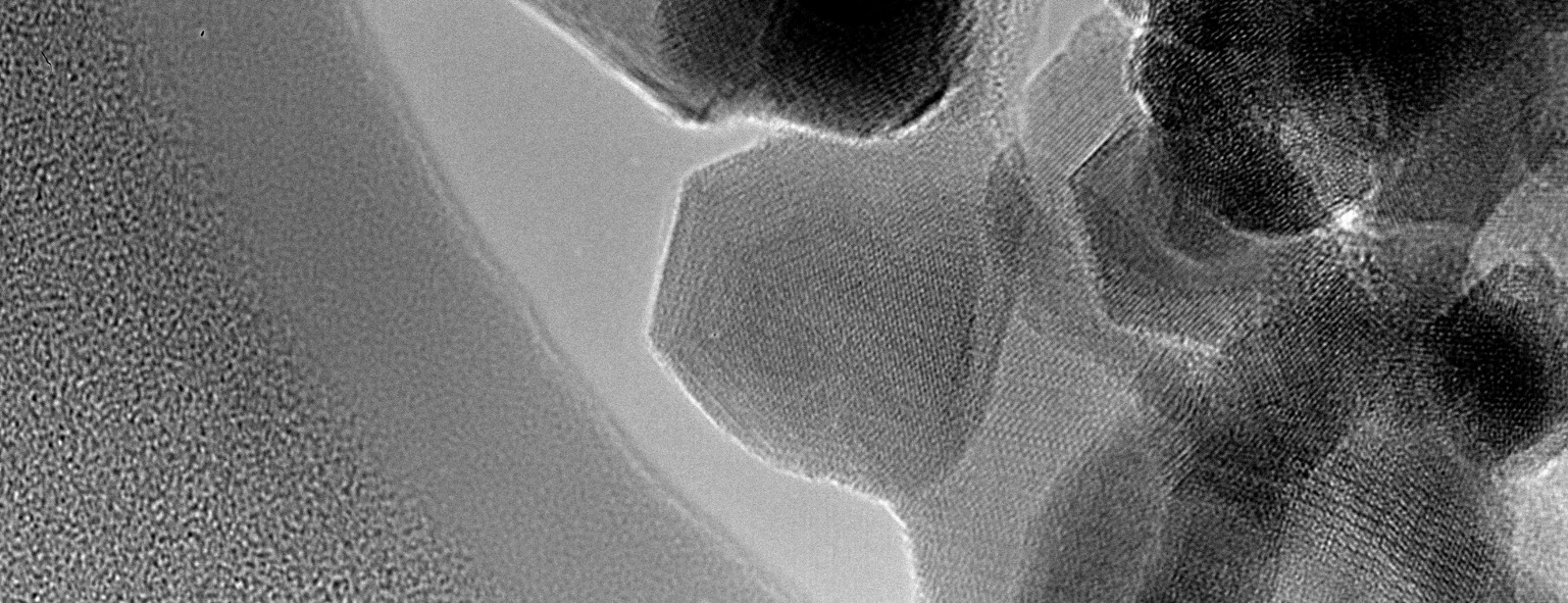
In situ sample holders for specialized electron diffraction workflows on the Rigaku XtaLAB Synergy-ED.
Hummingbird Scientific supports compatible Rigaku XtaLAB Synergy-ED electron diffractometers with in situ sample holders for air-free transfer, MEMS heating and electrical biasing, gas and plasma environments, liquid experiments, cryogenic biasing, tomography, and custom experimental workflows.
The XtaLAB Synergy-ED is a dedicated electron diffractometer for determining structures from submicron crystals. Rigaku offers specialized sample holders as instrument accessories, including Hummingbird systems for air-free transfer and controlled heating and biasing.
Product fit depends on the instrument configuration, holder interface, sample geometry, required tilt range, controller requirements, and intended experiment. Contact Hummingbird to confirm the appropriate holder, sample support, and purchase path.

Hummingbird products for
Rigaku
microscopes
Electron diffraction products
Browse Hummingbird in situ sample holders available for compatible Rigaku XtaLAB Synergy-ED configurations, including plasma and gas environments, air-free transfer, liquid experiments, electrical biasing, gas flow, MEMS heating and biasing, cryogenic biasing, tomography, and custom configurations.
How to buy a Hummingbird product for your
Rigaku
microscope
Customers can contact Hummingbird Scientific to confirm the appropriate holder and configuration for their experiment. Rigaku also lists selected Hummingbird holders as available accessories for the XtaLAB Synergy-ED, including the Air-free Transfer sample holder and high-temperature Heating/Biasing holder. Customers planning a new system can ask their Rigaku representative which Hummingbird options are available for their instrument quotation.
Hummingbird can review the instrument configuration, holder interface, sample format, tilt requirements, controllers, utilities, and experimental conditions before quotation.
- Provide the Rigaku instrument model and configuration.
- Describe the sample, experiment, and required environment or stimulus.
- Confirm the holder, sample support, controllers, connections, and utilities required for the workflow.
- Ask Hummingbird and, for a new instrument project, the Rigaku representative to confirm the available purchasing path.
- Confirm the quotation and any project-specific installation, training, or custom-development requirements directly with the responsible supplier.
Information for OEM sales and applications teams
Supporting a customer considering or using a Rigaku XtaLAB Synergy-ED? Hummingbird can identify relevant in situ holders, review the instrument interface and experimental requirements, provide technical specifications and quotation support, and involve applications or engineering personnel when customization is required.
- Review the Rigaku-compatible holder collection.
- Request instrument, holder-interface, sample-format, or tilt-range confirmation.
- Request product specifications and quotation support.
- Contact Hummingbird sales, applications, or engineering for specialized environmental, electrical, thermal, transfer, or tomography requirements.
Why Hummingbird for Rigaku electron diffraction?
In situ electron diffraction requires the holder, sample environment, and instrument geometry to support reliable data collection without unnecessarily limiting access, tilt, or sample handling. Hummingbird develops these elements as a connected experimental system.
- Specialized experimental environments: Hummingbird supports air-free transfer, heating, electrical biasing, gas and liquid environments, cryogenic workflows, and tomography for compatible Rigaku configurations.
- Built around electron diffraction: Holder geometry, sample format, tilt access, electrical routing, environmental containment, controllers, and experiment requirements are considered together.
- Developed in-house: Mechanical and electrical design, precision machining, microfabrication, assembly, controls, calibration, and microscopy testing remain connected.
- Standard and custom configurations: Hummingbird can modify sample carriers, holder tips, MEMS devices, environmental cells, transfer tools, and supporting hardware when a standard configuration does not meet the experiment.
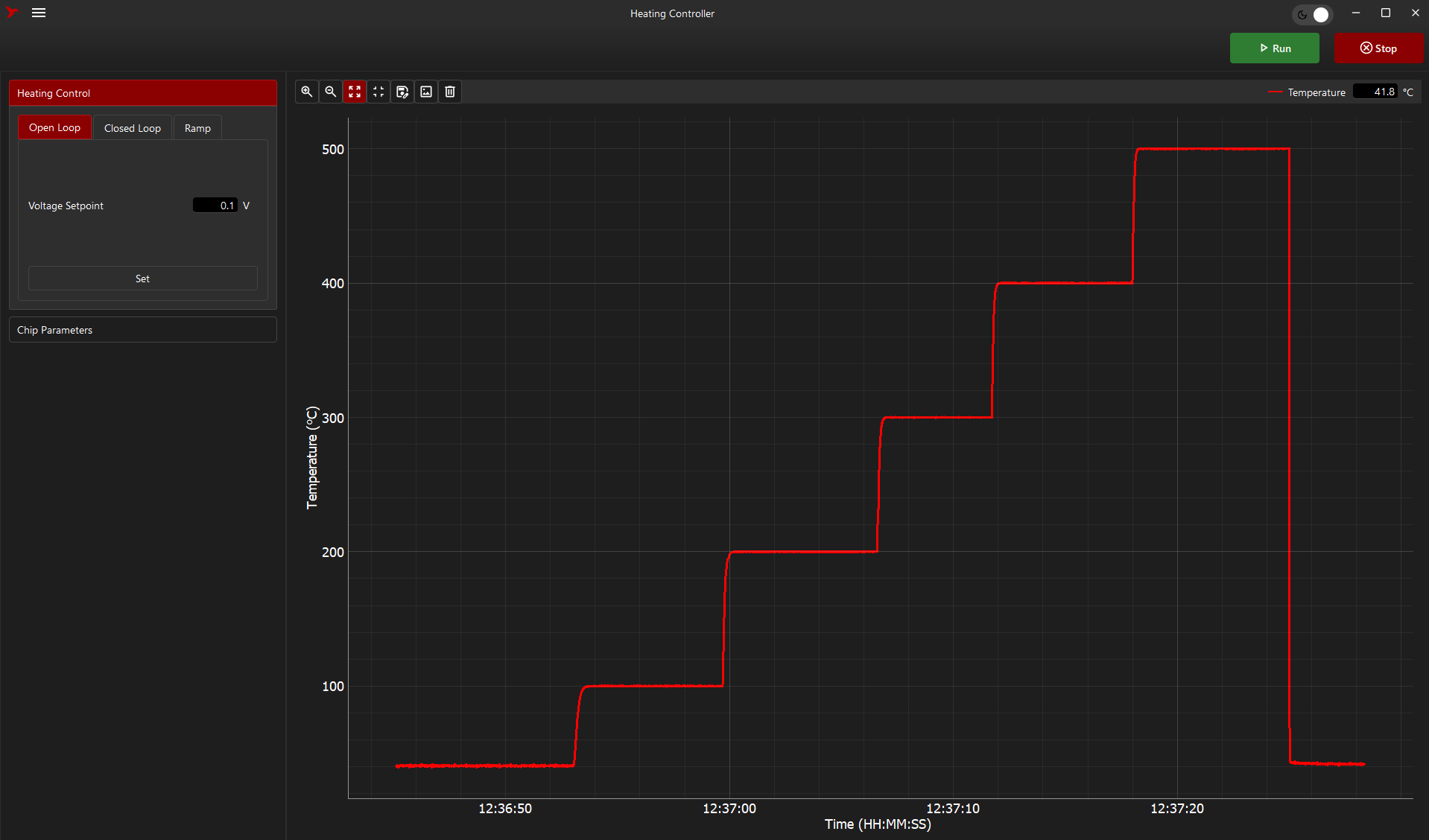
Rigaku has demonstrated Hummingbird’s MEMS Heating and Biasing holder on the XtaLAB Synergy-ED for temperature-dependent electron diffraction, including collection of structural data from the same crystal before and after a temperature-induced phase transition.
Cross-platform and custom engineering
MicroED and 3D electron diffraction experiments may require controlled sample preparation, protected transfer, heating, electrical biasing, gas exposure, liquid containment, or high-angle data collection. Hummingbird can evaluate the holder geometry, sample support, microfabricated device, control hardware, and handling workflow as one system.
For projects that combine electron diffraction with TEM or other analytical methods, Hummingbird can develop related sample carriers, removable tips, transfer tools, and experimental interfaces where maintaining the sample configuration or environment is technically practical.
For Rigaku systems, custom development can include sample carriers, MEMS chips, electrical routing, environmental cells, gas or liquid delivery hardware, air-sensitive transfer mechanisms, tomography tips, controllers, and application-specific holder configurations.
Hummingbird Connect™ for Rigaku electron diffraction workflows
Hummingbird Connect™ is Hummingbird Scientific’s pathway for making in situ holder conditions and controller data part of the electron diffraction workflow. Temperature, electrical bias, pressure, flow, timing, sample state, and controller status can be associated with the experimental record rather than remaining separate from diffraction acquisition and analysis.
For the XtaLAB Synergy-ED, the Hummingbird Connect™ development path focuses on aligning these experimental conditions with CrysAlisPro-ED workflows. Rigaku uses CrysAlisPro-ED for electron diffraction screening, automated data collection, processing, and batch analysis, providing a relevant foundation for connecting changing sample conditions with the resulting diffraction data.
This connection can support more repeatable experiments and clearer interpretation of structural changes during heating, biasing, gas exposure, liquid experiments, and other in situ workflows. The specific data and workflow connection depends on the Hummingbird holder, controller, and XtaLAB Synergy-ED configuration.
Electron diffraction products
for
Rigaku
microscopes