No featured publications for this product. Submit your research on the page linked below!
Thank you! Your submission has been received!
Oops! Something went wrong while submitting the form.
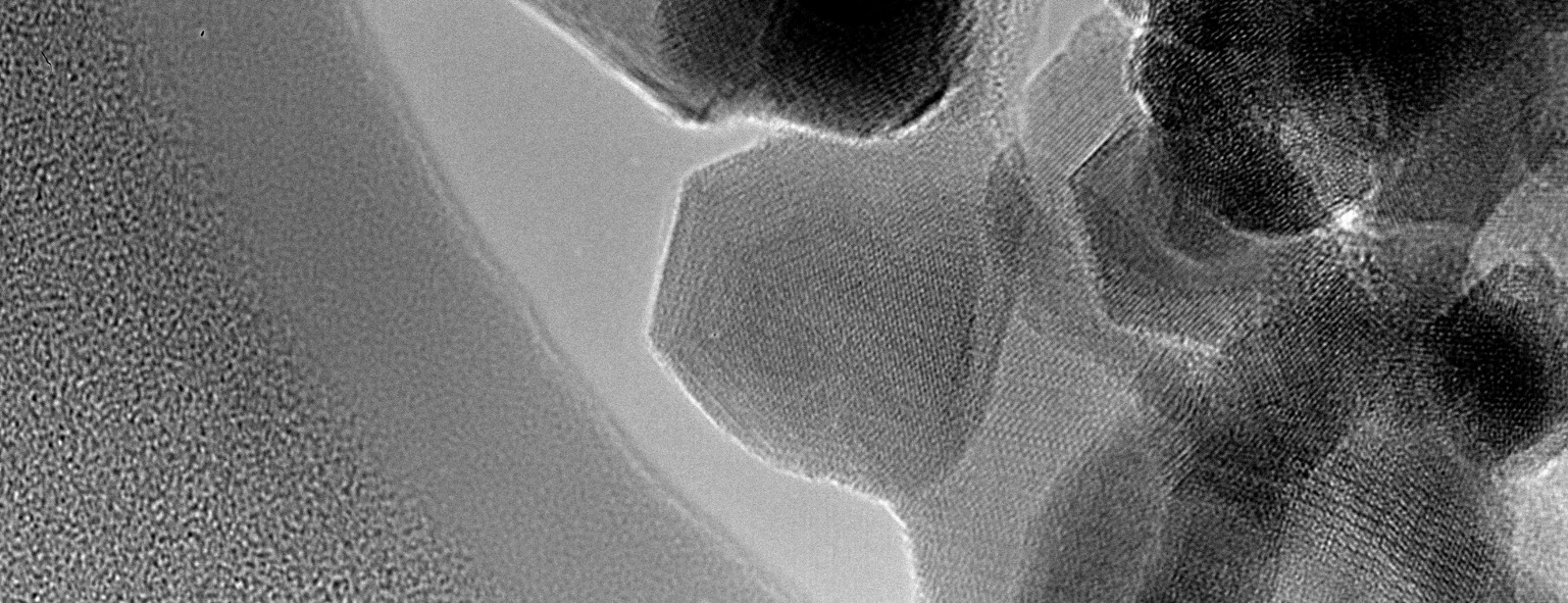
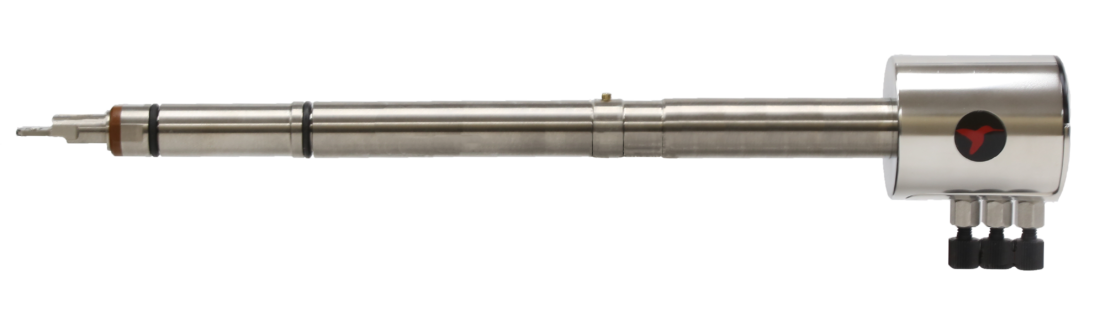
The Hummingbird Scientific TEM Optical Gas Heating Sample Holder enables in-situ TEM imaging of gas-solid reactions influenced by optical illumination, heating, gas composition, pressure, and electrical bias. The enclosed microchip gas cell supports atmospheric and elevated-pressure gas experiments up to 2 bar while maintaining microscope vacuum protection and stable nanoscale imaging.
A fiber optic feedthrough delivers light to samples mounted on SiN viewing membranes, enabling studies of heterogeneous photocatalysis, high-temperature photochemical reactions, growth and dissolution dynamics, light-assisted corrosion, and photo-sensitive thin films.
A precision-machined, screw-free chip loading mechanism provides self-aligning viewing windows and controlled compression for repeatable gas-cell assembly. Hummingbird gas delivery, heating, sample chips, and software support experiments that correlate structure, composition, temperature, gas chemistry, pressure, and optical stimulus in real time.
Available For:
Hummingbird Scientific designs, machines, assembles, tests, and services its products in-house. Our integrated engineering, machining, in-house microfabrication, applications, and service teams support product development, custom modifications, and direct technical support throughout the life of the instrument.
The TEM Optical Gas Heating Sample Holder is a direct result of these capabilities, combining precision holder manufacturing, microfabricated gas-cell chips, control hardware, software, and application-specific workflow support for high-temperature, light-stimulated gas reactions inside the TEM.
Need something unique? Hummingbird engineers can customize existing products or develop specialized sample environments for emerging in-situ microscopy experiments.
Gas, heat, light, and bias inside the TEM
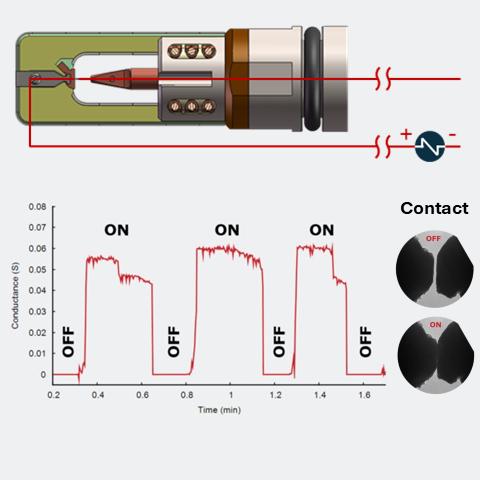
The holder combines a sealed microfluidic gas cell, microfabricated SiN chips, user-replaceable tubing, four electrical biasing leads, fiber optic access, heating chips, and gas/heating control hardware. A sample is loaded on a SiN membrane, sealed in the gas-cell tip, checked for integrity, and inserted into the TEM. Experimental gas is circulated through the cell using the single-channel or optional multi-channel delivery system. During imaging, users can apply optical illumination, temperature, bias, and changes in gas chemistry or pressure to connect atomic- and nanoscale dynamics with controlled reaction conditions.
Spend less time managing equipment and more time generating results. Hummingbird Connect™ helps organize holder operation, microscope context, imaging workflows, and experiment metadata so gas-phase TEM data remains easier to reproduce and interpret.
Hummingbird Control™ provides intuitive control of closed-loop sample heating and gas delivery functions for optical gas-cell experiments. Together, these software tools support faster setup, controlled parameter changes, improved reproducibility, and more efficient gas-phase TEM workflows.


