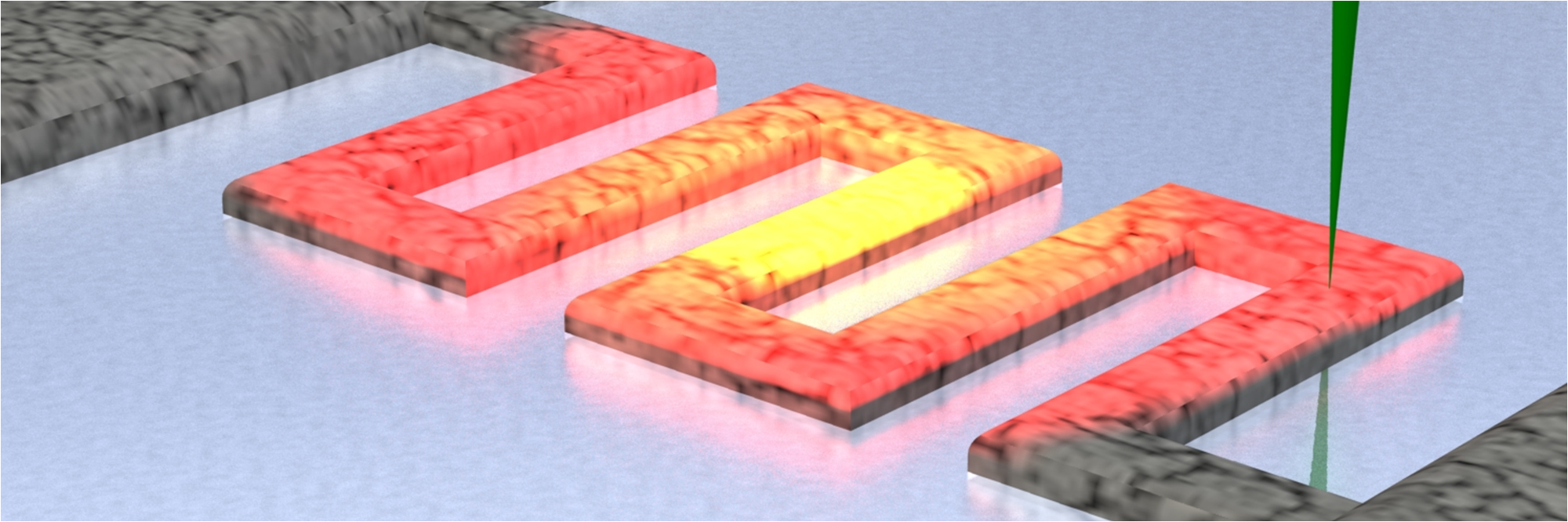
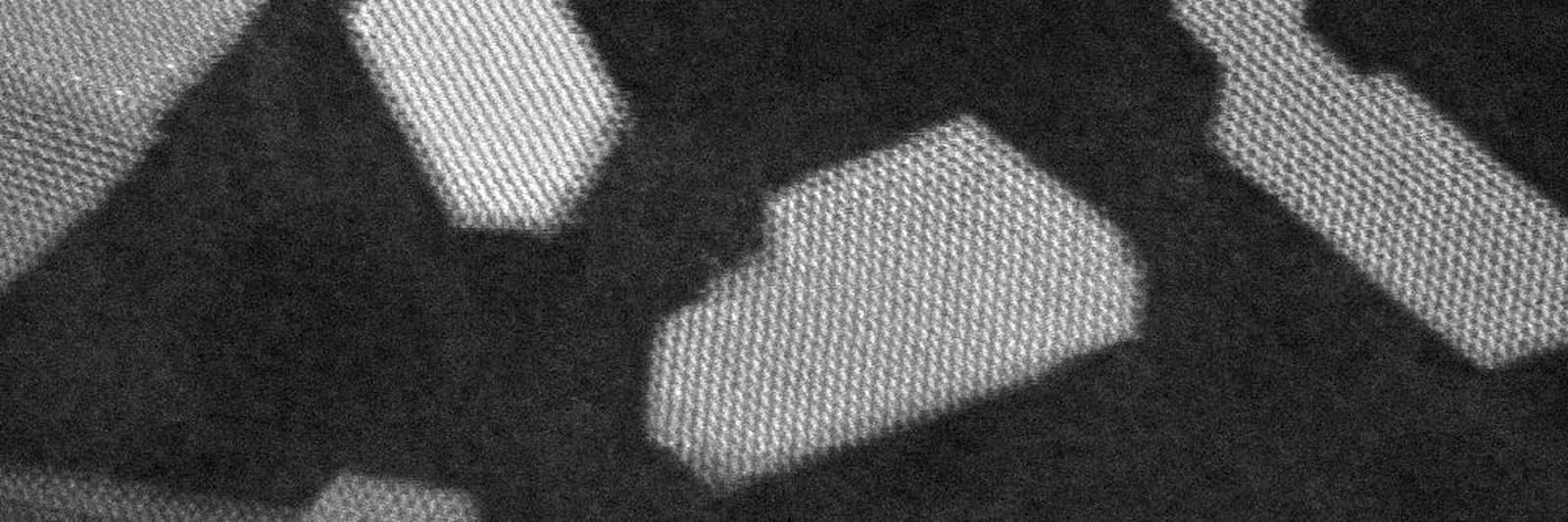
Khim Karki, Daan Hein Alsem, Norman Salmon. “Cryo-Electrical Microscopy for Quantum and Advanced Energy Applications”. Microscopy and Microanalysis (2021)
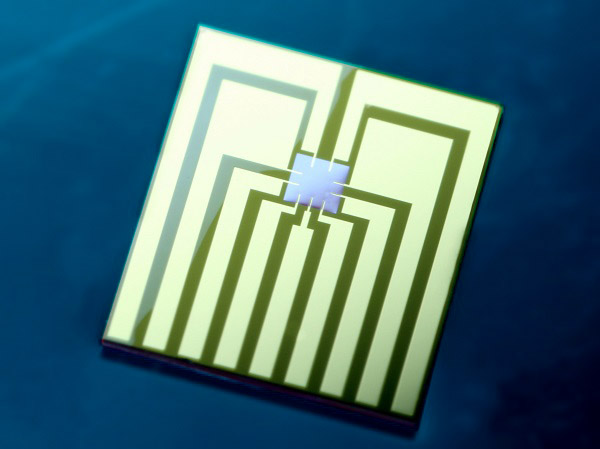
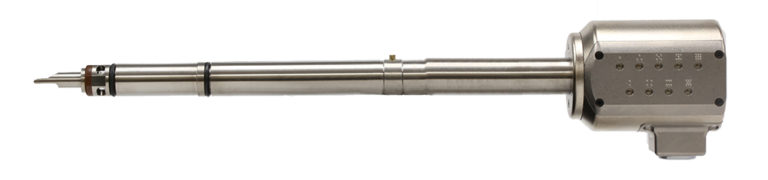
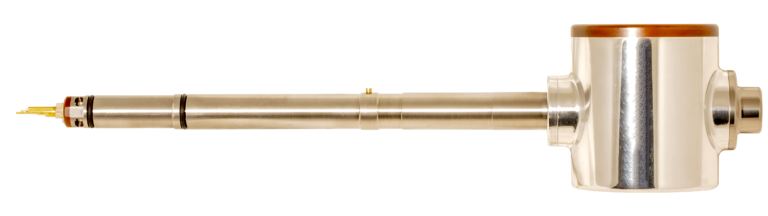
The TEM Cryo Biasing + Heating Holder enables controlled electrical biasing at cryogenic temperatures while also supporting high-temperature heating experiments inside the TEM. Researchers can cool samples to liquid nitrogen temperatures, apply electrical stimuli through MEMS-based chips, and observe material behavior under stable in-situ imaging conditions.
This holder is designed for experiments where temperature-dependent electrical behavior matters, including quantum materials, battery materials, electronic devices, and low-dimensional systems. It helps researchers study how nanoscale structures respond to electrical biasing across cryogenic and elevated temperature conditions.
Direct chip contact, nine electrical contacts, and integrated temperature and biasing control support repeatable cryo-biasing workflows. The holder is designed for stable imaging and analytical TEM workflows, including EELS and EDS-compatible experiments where low-temperature structure and electrical response must be studied together.

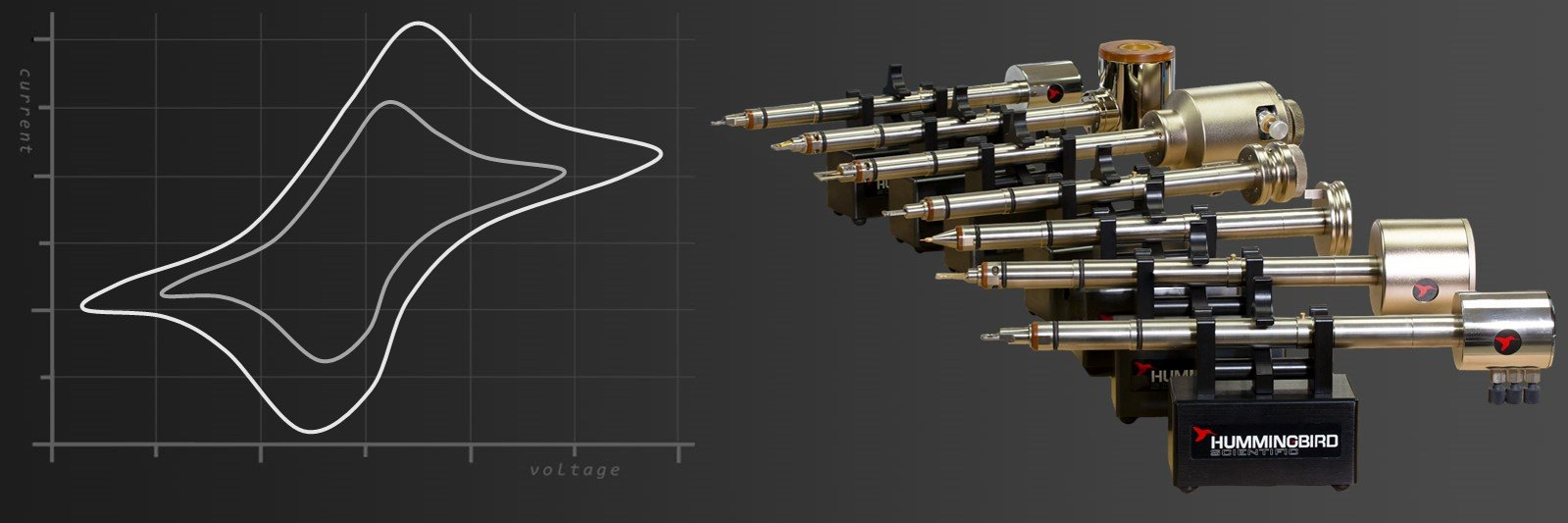
Hummingbird Scientific designs, machines, assembles, tests, and services in-situ microscopy products with integrated engineering, precision manufacturing, applications, and support teams. For cryogenic biasing and heating workflows, this matters because holder performance depends on the combined behavior of the holder body, Dewar, MEMS chip interface, electrical contacts, temperature control, and microscope integration.
The TEM Cryo Biasing + Heating Holder reflects this system-level approach. Hummingbird supports researchers who need controlled low-temperature electrical biasing, high-temperature heating, stable imaging, and custom workflow modifications for specialized TEM experiments. When needed, our engineering and applications teams can help adapt holder, chip, controller, and software workflows to match demanding research requirements.
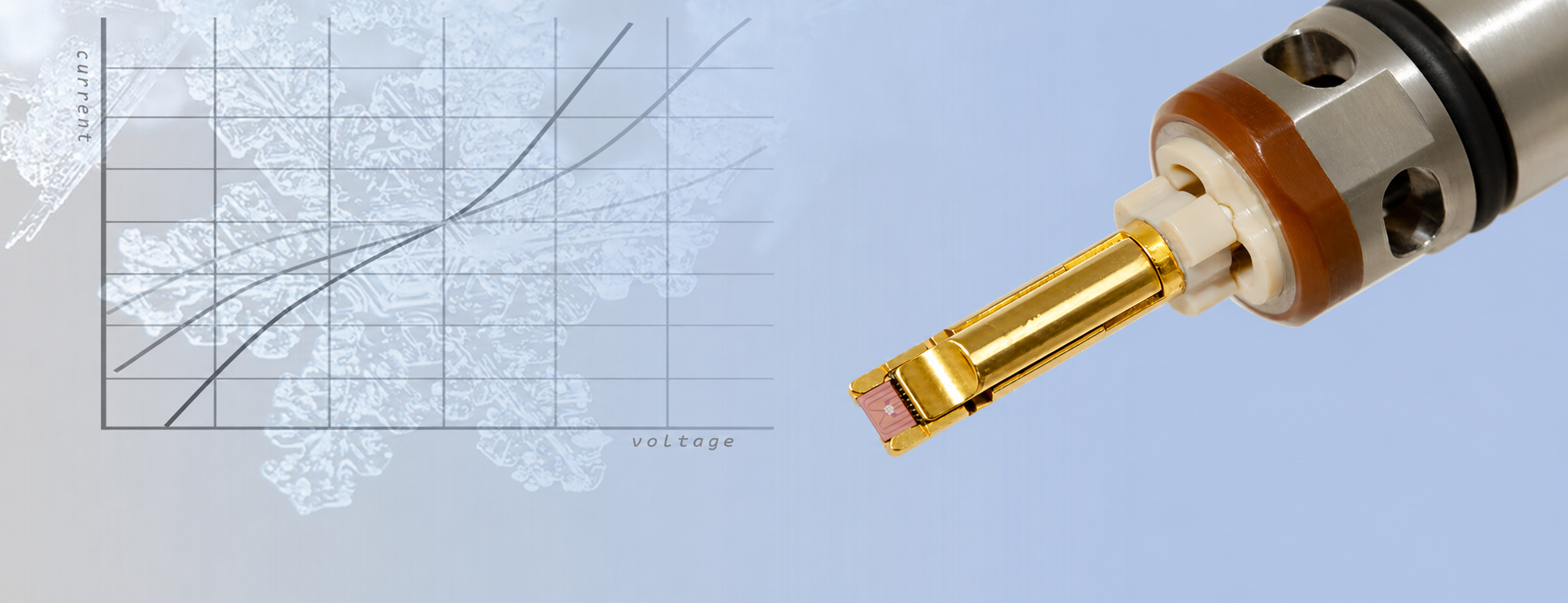
Cool samples to cryogenic temperatures while applying electrical stimuli inside the TEM.

Perform in-situ TEM biasing experiments at cryogenic temperatures using a liquid nitrogen Dewar and MEMS-based sample chips. This capability supports research where low-temperature electrical behavior, nanoscale structure, and real-time imaging must be studied together.

Heat samples from cryogenic conditions to elevated temperatures during in-situ TEM experiments.

Study materials across a wide temperature range using integrated cryogenic cooling and MEMS-based heating capability. This allows researchers to investigate structural, electronic, and degradation behavior as samples move between low-temperature and high-temperature experimental conditions inside the TEM.

Use nine electrical contacts to support controlled MEMS-chip biasing workflows.

The holder supports MEMS-based electrical biasing experiments with nine electrical contacts for controlled in-situ TEM studies. This contact architecture enables researchers to apply electrical stimuli while observing nanoscale material response under cryogenic, elevated-temperature, or temperature-dependent experimental conditions.

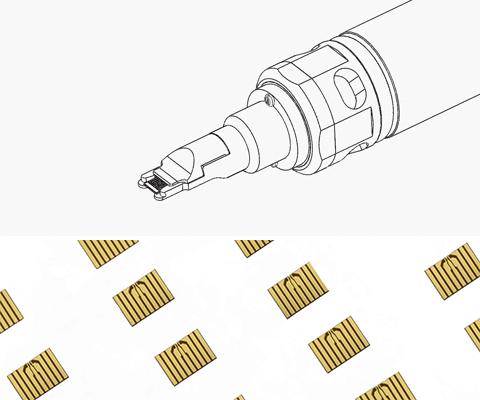
Use direct chip insertion to support repeatable electrical contact during TEM biasing.

Direct chip contact helps create a reliable electrical connection between the holder and MEMS-based sample chips. This supports repeatable biasing experiments where stable electrical contact is required during cryogenic cooling, heating, and in-situ TEM imaging.

Maintain stable low-temperature imaging with EELS and EDS-compatible TEM workflows.

The TEM Cryo Biasing + Heating Holder is designed to support stable imaging at cryogenic temperature while preserving compatibility with analytical TEM workflows such as EELS and EDS. This helps researchers connect structural, chemical, and electrical behavior during low-temperature biasing and heating experiments.

Control cryogenic cooling, heating, and electrical biasing through an integrated experiment workflow.

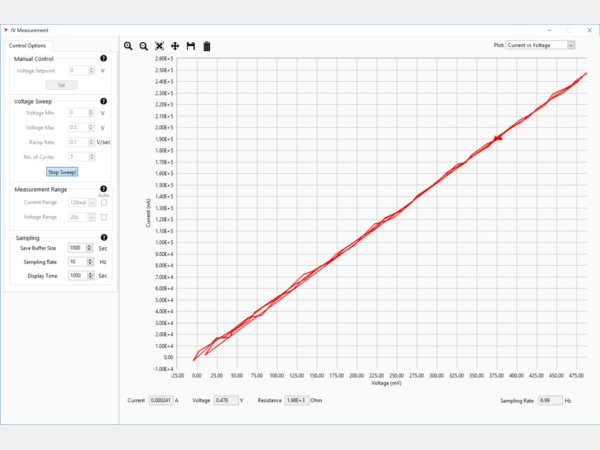
Integrated temperature and biasing control helps researchers coordinate cryogenic cooling, heating, and electrical stimulation during in-situ TEM experiments. This simplifies setup, improves workflow consistency, and supports experiments where electrical response must be studied alongside temperature-dependent nanoscale structural change.
The TEM Cryo Biasing + Heating Holder uses a liquid nitrogen Dewar to cool samples to cryogenic temperatures while MEMS-based chips provide direct electrical contact for biasing experiments. Integrated control combines temperature operation and electrical biasing so researchers can cool, heat, bias, and image the same sample inside the TEM.
Direct chip insertion with nine electrical contacts supports repeatable electrical connection while maintaining stable low-temperature imaging and analytical access.

Khim Karki, Daan Hein Alsem, Norman Salmon. “Cryo-Electrical Microscopy for Quantum and Advanced Energy Applications”. Microscopy and Microanalysis (2021)
Hummingbird Control™ supports intuitive operation of the TEM Cryo Biasing + Heating Holder by helping researchers manage temperature control and electrical biasing during in-situ TEM experiments. For workflows that require coordinated setup, experiment organization, and long-term usability, Hummingbird Connect™ can help connect holder operation, microscope context, and experimental metadata into a more structured microscopy workflow.
Together, these software tools help researchers spend less time managing equipment and more time running controlled cryogenic biasing, heating, and analytical TEM experiments.
The holder is designed for in-situ TEM experiments that require cryogenic cooling, high-temperature heating, and electrical biasing. Common research areas include quantum materials, battery materials, electronics, and low-dimensional materials where temperature-dependent electrical behavior must be observed directly.
The approved technical specification for this holder is a sample temperature range of < -170°C to > 1000°C, allowing researchers to study materials across cryogenic and elevated-temperature conditions.
The holder supports 9 electrical contacts for MEMS-based biasing experiments, using direct chip contact to help provide repeatable electrical connection during in-situ TEM operation.
Yes. The approved technical specifications list the holder as EELS / EDS compatible, supporting analytical TEM workflows where researchers need to connect structure, chemistry, temperature, and electrical response.
The holder uses MEMS-based chips for electrical biasing and heating workflows. Specific chip designs, availability, and lead times should be confirmed with Hummingbird Scientific based on the experiment, sample geometry, contact requirements, and temperature range.